A device may be registered, managed, and company-owned, but that label only tells you who it belongs to, not how secure it is.
The moment a corporate device leaves the controlled network, whether it is connecting via public Wi-Fi, loading personal apps, or missing a critical patch, its security posture begins to weaken. Relying solely on device identity for access is a critical vulnerability that is fundamentally incompatible with Zero Trust principles.
The mandate is clear: You must stop trusting identity alone. Security today is not about owning the device; it’s about verifying its real-time condition at every moment of connection.
Why Device Identity Alone Isn’t Enough
Device identity provides legitimacy, but legitimacy does not equal safety. A registered device can drift out of compliance as security settings change, patches are missed or risky applications appear over time. Personal devices complicate this further, as their configurations vary constantly and remain outside organisational oversight. In this dynamic risk environment, identity checks are merely a static pass/fail gate; they cannot assess or adapt to the continuous decay of the endpoint’s security configuration. Identity cannot assess these shifts; posture fills that gap by validating the device’s current condition before access is granted.
What Device Posture Really Evaluates
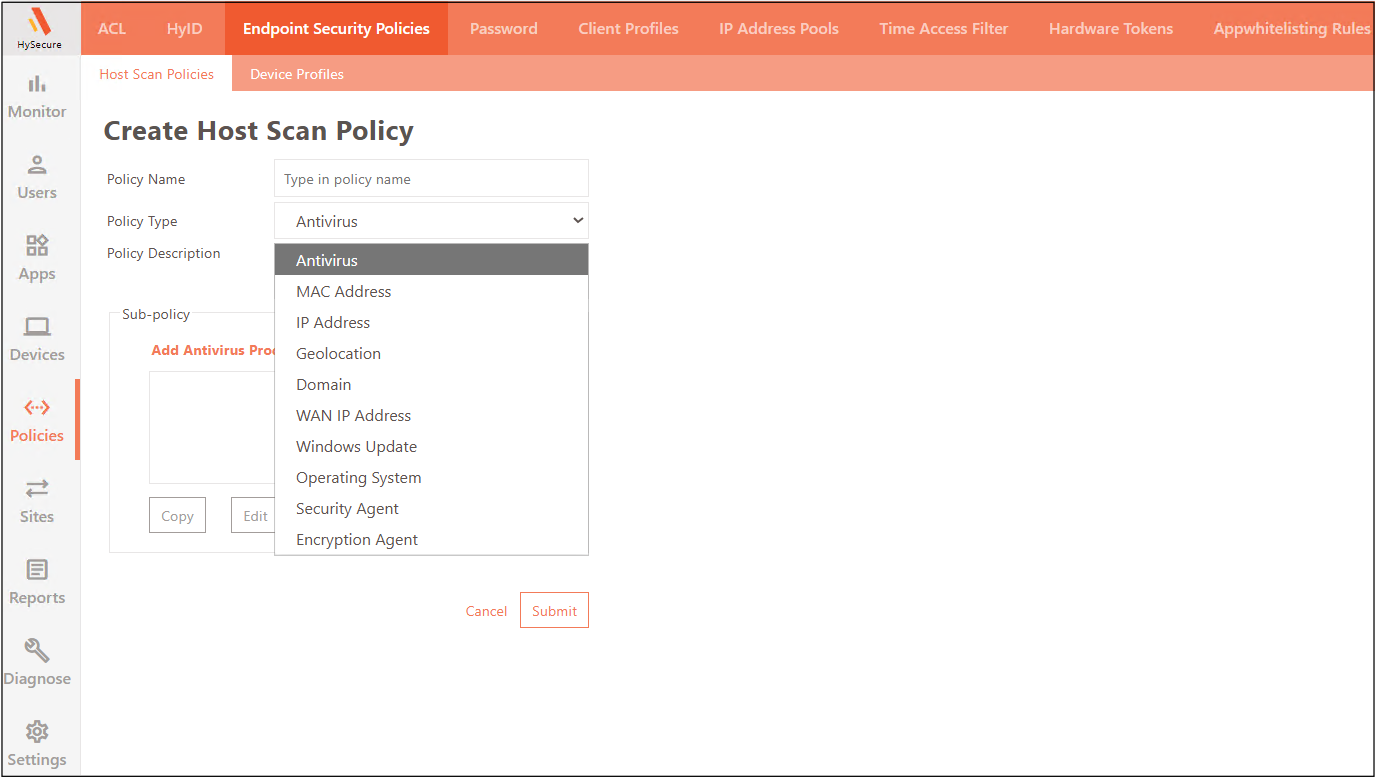
Device posture assesses whether an endpoint is in an acceptable and trustworthy state at the moment of access. It evaluates defined attributes such as antivirus presence, MAC and IP address, geolocation, domain, WAN IP address, Windows Update status, operating system details, and required security or encryption agents. A device may successfully pass identity verification yet still fail these posture criteria, ensuring access is granted only when the endpoint meets the required security conditions.
Different Workflows, Different Posture Expectations
The need for posture is dictated by the risk of the task, not the device. High-risk workflows, such as accessing sensitive financial systems, managing patient records, or working with proprietary designs, demand stronger, risk-aligned posture control. Customer financial data, clinical information, proprietary designs or regulated records cannot be exposed to devices with weakened security postures.
Posture also matters when work is performed by third-party vendors, contract staff or distributed teams operating outside controlled office networks. Their devices may be legitimate but not consistently secure.
Even within a single enterprise, posture expectations differ. Finance teams, plant supervisors, researchers and field employees operate with distinct risk levels and interact with different applications. A uniform identity-based policy cannot cover these nuances. Posture-based access allows enterprises to adapt enforcement based on the sensitivity of the task across BFSI, Healthcare, Pharma, Manufacturing, IT/ITeS and Government environments, without restricting operational flexibility.
How Accops Embeds Device Posture Into the Digital Workspace Model
Accops integrates posture evaluation directly into the Digital Workspace Solution architecture, ensuring that access decisions reflect identity, device ownership, device health and access context. Posture is assessed before access is granted and continuously enforced throughout the session. If a device drifts into a risky state, through disabled protections, outdated components or unsafe activity, the system automatically adjusts access, restricting high-sensitivity applications or shifting the user into an isolated virtual environment.
For BYOD and contractor devices, Accops provides secure, contained workspaces that operate independently of the device’s underlying configuration. This ensures enterprise-grade security without intrusive control over personal devices. Application access is mapped to posture profiles: fully compliant devices may access all resources, partially compliant ones may receive virtualised access and non-compliant devices may be limited to browser-contained apps. This creates a balanced model that maintains security while supporting practical, device-agnostic usage.
By embedding posture into virtualization, secure access and identity governance, Accops enables enables organisations to operationalise Zero Trust as part of normal workflows rather than as an added administrative burden. This holistic approach delivers the agility and flexibility modern work demands, making our Digital Workspace Solution a cost-effective alternative to complex, layered security stacks.
Conclusion
The age of trusting a device based solely on its registration is over. To achieve true Zero Trust and maintain regulatory compliance, visibility into the endpoint’s real-time health is non-negotiable.
The Accops Digital Workspace Solution shifts the focus from identity to device posture assurance. This integrated strategy ensures employees, contractors, and partners can access what they need, from where they need it, while upholding superior levels of security, agility, flexibility, and affordability across your entire distributed environment.